Two Clocks, One Bankroll: The Live Tempo Trap in Dealer Tables and Soccer Markets
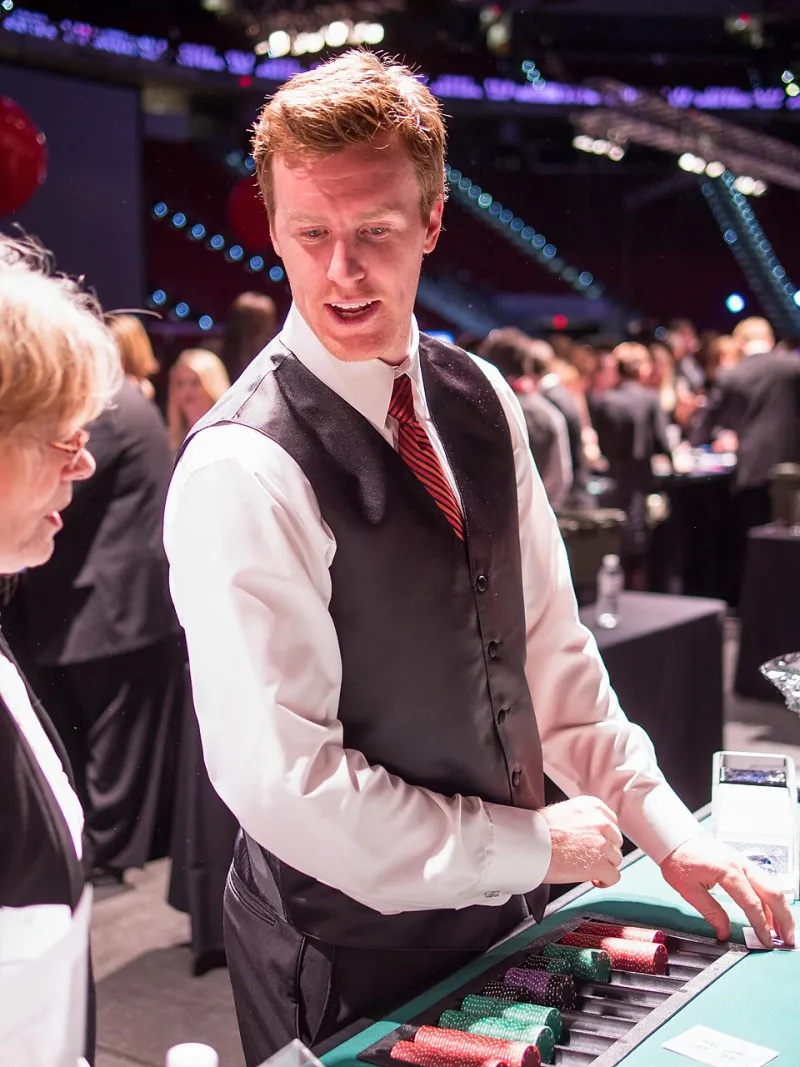
Photo: Benjamin Reed, CC BY-SA 2.0, via Wikimedia Commons
Live betting has a clock problem, but it isn't only the one on the scoreboard. The bigger issue for a lot of US bettors is the collision of two very different rhythms: the rapid-fire pace of a live dealer table and the stop-start tempo of an international football match. One compresses your decision time. The other stretches it out, then suddenly compresses it again. Bounce between the two and your bankroll can end up paying for the confusion.
That's the live tempo trap. It doesn't require a bad read on a hand of blackjack or a terrible call on a next-goal market. It just needs you to make decisions at the speed of the room instead of the speed of your own process. At VN88 Betting Edge, the goal isn't to pretend odds are predictable. It's to help you wager with clearer eyes.
The Dealer Clock: Quick Rounds, Quiet Pressure
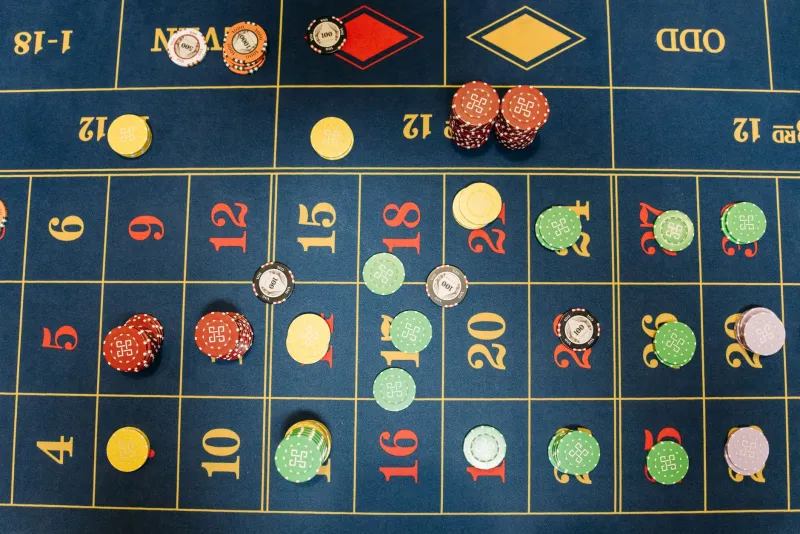
A live dealer table has almost no dead air. Cards are dealt, wheels spin, chips move, and the next round appears. Even when you're playing slowly by casino standards, the game is still setting a tempo. There's no halftime. There's no injury stoppage. There's no long VAR review where you can refill your coffee and rethink your position.
That pace feels harmless because each decision is small. A side bet here, a raise there, a quick hand before the next soccer update. But small decisions stack. The dealer isn't waiting for you to build a thesis. The table is already moving, and the software is already offering the next round. For US bettors used to the deliberate pace of a pre-match football card, that can feel like being pushed through a checkout line while you're still reading the menu.
The Match Clock: Long Lulls, Then a Fire Drill
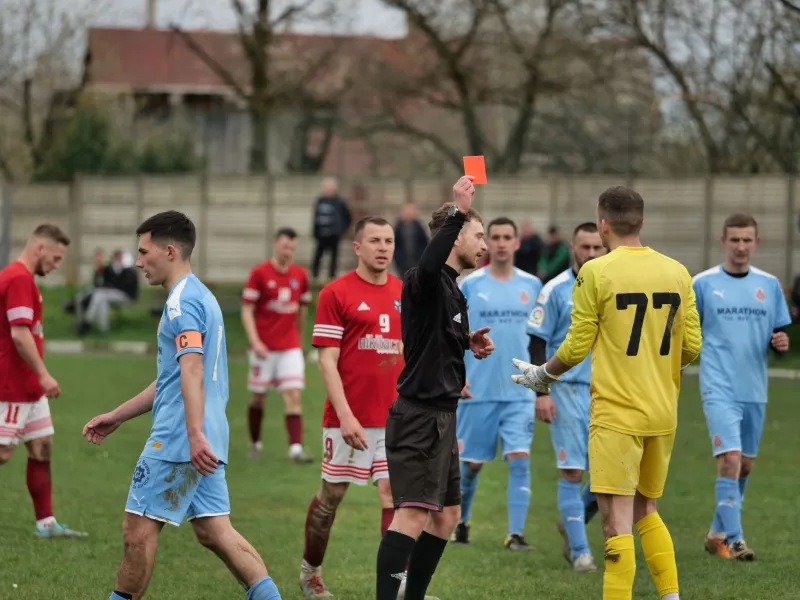
Soccer does the opposite. You can watch ten minutes of buildup, sideways passes, and a midfield scrap. Then a corner turns into a scramble, a red card changes the shape, and the live market flips before your stream catches up. The stop-start clock stretches your attention, then snaps it tight.
That pattern creates its own bias. During the slow parts, you overthink. During the fast parts, you react. A late goal feels urgent because the clock says so, not because the price is suddenly good. The same is true of a late red card or a penalty shout. The market may move fast, but the urgency is often theater. The scoreboard clock is real. The emotional clock is not.
Check One: Set the Session Limits Before Either Tab Opens
This is the simplest check and the easiest to skip. Before you open a live dealer table or a soccer live market, decide three numbers: how much you're willing to risk, how long you're planning to play, and what loss level ends the session. Write them down. Not in your head. In your phone notes or on a piece of paper next to the keyboard.
Keep the casino and soccer sides of your bankroll separate if you can. A live dealer session shouldn't be funded by a soccer loss, and a soccer bet shouldn't be a way to dig out of a casino session. That's not just accounting. It's a speed bump. When one tab gets fast and the other gets frantic, separate limits stop the two from becoming one long, blurry session.
Check Two: Use a 30-Second Bet Rule
Before any live wager, wait 30 seconds. It sounds almost too simple, but it works because it breaks the tempo. At a dealer table, 30 seconds feels like a long time. That's the point. It gives you a chance to ask whether you're betting because the hand looks good or because the table is moving and you don't want to miss the next round.
In a soccer market, 30 seconds gives you a chance to check the price against the game state. Is the favorite still a favorite for a reason, or did the market overreact to one shot? Is the next-goal market paying you for a real edge, or for the fact that the clock is ticking? If you can't explain the bet in one sentence, pass. The live market will still be there in a minute. The dealer will deal another hand. Neither one owes you action.
Check Three: Hard Stop When Chasing
Chasing doesn't always look dramatic. Sometimes it's a bigger stake after a loss. Sometimes it's moving from a soccer live market to a casino table because you want to make the night back faster. Sometimes it's telling yourself you'll stop after one more round, then one more, then one more.
Set a hard stop in advance. If you catch yourself increasing stakes to recover a loss, close the tabs. If you're switching between soccer and casino markets specifically to chase, end the session. A hard stop isn't a punishment. It's a circuit breaker. The next bet doesn't have to decide your night, and it definitely shouldn't decide your week.
The Responsible-Play Reminder That Actually Matters
Fast dealers and late goals both can feel engineered to feel urgent. The dealer's rhythm pulls you forward. The match clock spikes your pulse. Neither one is a signal that you need to act right now. Urgency is part of the product, not proof of value.
So keep the basics boring: set limits, take breaks, never wager money you can't afford to lose, and treat live betting as entertainment with a cost. If gambling stops feeling like fun, step away and use the support tools available in your state. In the US, 1-800-GAMBLER is a good place to start.
VN88 Betting Edge is here for sharper reads and smarter wagers, not faster clicks. The odds will move. Your limits shouldn't.