The Bet You Keep Reopening: Why Live Wagering Breaks All Your Good Pre-Match Rules

Here's a scene a lot of us recognize. Sunday morning, coffee in hand, you map out three bets. You write them down. You decide on a number that feels responsible. By Sunday evening you've placed eleven bets, nine of them live, and the only thing left from the original plan is a vague memory and a slightly hollow feeling in your stomach.
Nothing dramatic happened. You didn't lose the house. But you did something quietly worse than a bad beat — you abandoned your own process in the middle of the game, and nobody made you do it.
The Pre-Match Version of You Was Smarter
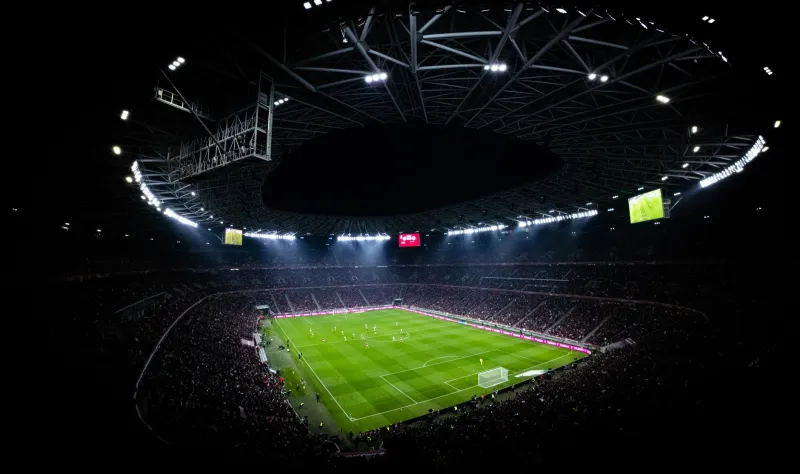
The you who researches on Saturday is a different animal from the you watching a 1-1 game in the 78th minute. Pre-match you is patient, comparative, a little boring. You compare prices, you read team news, you think about sample size. Live you is running on adrenaline and a two-minute-old screenshot.
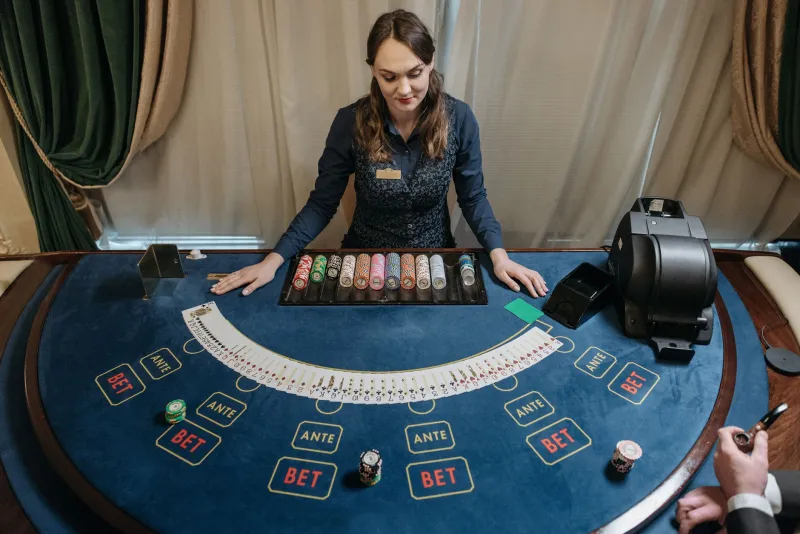
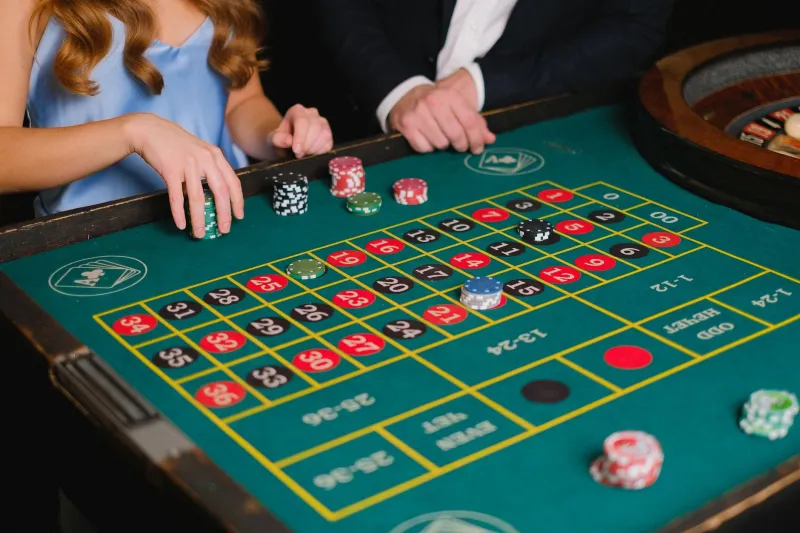
That's not a character flaw. It's how in-play betting is designed. Constant odds movement creates the feeling of a ticking clock, and a ticking clock makes people act. Casinos understand this. So does every sportsbook that pushes a "live now" tab at the top of the app.
The Illusion of New Information
Live betting sells a story: something just changed, and you can profit if you react fast enough. Sometimes that's true — a red card, a goalkeeper injury, a monsoon. Most of the time it isn't. The score changed, the clock moved, and the odds shifted to keep the book's margin intact.
What actually changed is your emotional state, not the underlying matchup. You're not reacting to new information. You're reacting to new feelings about old information.
The Trap of "Just One More"
There's a specific pattern worth naming. You've had a decent night — one winner, one push, one small loss. You're up slightly. The sensible move is to close the app. Instead, a game kicks off in the background, and you think: one more, just to make it a good night.
That bet is not a betting decision. It's an entertainment decision dressed up as one. And the odds of it being a disciplined, well-priced wager are not good, because you made it in ten seconds while half-watching a match you don't really care about.
A Stop-Loss Framework That Fits an American Night
You don't need a spreadsheet with forty tabs. You need four rules that survive contact with a second half.
Split your bankroll into sessions. If your monthly betting budget is $200, don't carry $200 into Sunday. Carry $40. The rest sits somewhere you can't touch mid-game — a different account, a note on your phone, whatever creates friction.
Set a clock, not just a number. Pick a hard stop time before you start, say 10:30 p.m. When the clock hits, you stop placing bets. Not pause. Stop. Late-night live betting is where the worst decisions live, because fatigue kills judgment long before you notice it.
Use a three-tilt rule. Three consecutive live losses in a session means you're done, regardless of the clock. This one is uncomfortable, which is exactly why it works. Chasing is the single most expensive habit in in-play betting, and tilt doesn't announce itself — it just feels like urgency.
Pre-commit your numbers. Before a match, write down what price you'd accept on the one market you like. If it shows up, take it. If it doesn't, no bet. This turns live betting from a reaction into a limit order, and it removes the worst excuse in the book: "the price moved, so I had to take the worse number."
The Cash-Out Question
Cash-out offers are engineered to feel like control. They're not. They're a new price on the same bet, with a margin baked in. If you'd never have placed the original bet at the cash-out value, don't cash out on a whim either. Decide your rule in advance: never cash out, always cash out at a set threshold, or only cash out on injury news. Pick one and hold it.
Track the Thing You Don't Want to See
Keep a simple log of live bets — the market, the price, the amount, and whether you planned it or improvised. At the end of a month, add up two columns: planned and improvised. Most people are genuinely surprised by how lopsided the results are. That surprise is worth more than any tip you'll read this week.
The Reset
If a session goes badly, take twenty-four hours off. Not as punishment — as data collection. Come back the next day and look at what happened without the tilt goggles on. You'll almost always find that the losing bets weren't unlucky. They were rushed.
Live betting is a legitimate way to enjoy a match, and there's real skill in reading a game as it unfolds. But the odds shift every thirty seconds for a reason, and that reason isn't your benefit. Set the limit before kickoff, honor the clock, and remember that the best in-play decision is often the one you never place.