Late Whistles and Heavy Legs: Five MLS Playoff Live Markets Worth Your Attention
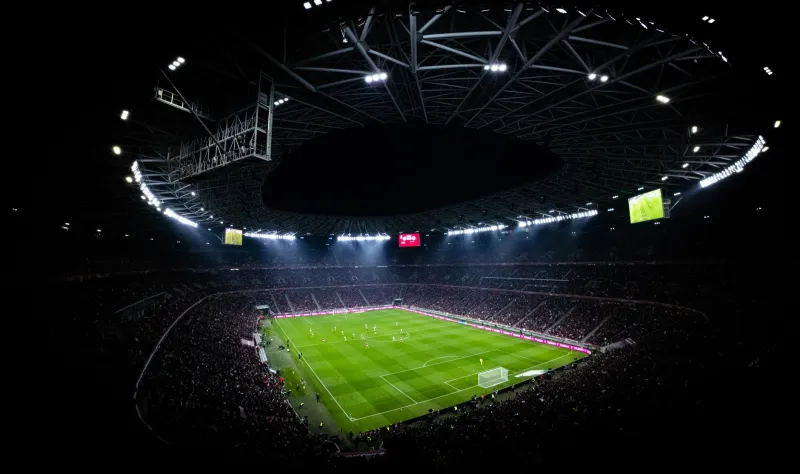
There's a stretch in every MLS playoff run where the soccer stops being pretty and starts being survival. By the time the conference finals roll around in this 2026 postseason, rosters are patched together, travel miles have piled up, and coaches are making decisions with their stomachs instead of their spreadsheets. That's exactly when live markets get jumpy — and when a bettor with a plan can find value that the pre-match board never offered.
This isn't a promise of free money. It's a list of patterns worth tracking with your eyes open and your stake sizes small.
1. The Substitution Board Is a Clock, Not a Guess
In playoff soccer, coaches tip their hand earlier than they'd like. A manager down a goal at the hour mark usually has two attacking changes queued up. A manager protecting a one-goal lead starts burning time with defensive swaps around the 70th. Watch the bench, not just the pitch.
Why it matters for live betting: mass substitution windows tend to produce a five-to-ten minute stretch of scrambled shape. Fullbacks push higher, midfield lines disconnect, and the next goal often comes from exactly that chaos. If you see three changes in quick succession and the tempo spike, the "next goal" market and the over on total goals both deserve a second look — ideally before the in-play price fully adjusts.
2. Stoppage Time and the Fourth Official's Arm
MLS has gotten more honest about added time in recent seasons, and playoff games routinely stretch past 95 minutes. That extra chunk is a market in itself. Corners and cards in the dying minutes climb because trailing teams chuck balls into the box and desperate defenders lunge.
A practical approach: track how a team behaves when it's chasing. Some sides keep swinging; others wilt and start bickering with the referee. If the trailing coach has already used all five subs on attackers, the late corner and late card markets become far more attractive than the goal line.
3. Weather and Tempo: The Angle Nobody Prices Properly
November playoff soccer in this country is a coin flip. A cold, windy night in the Pacific Northwest plays nothing like a humid evening in Florida. Wind kills long balls and dead-ball accuracy. Rain slows the surface and rewards the team that keeps it simple. Heat and humidity in the south flatten tempo after the 65th minute.
Before you touch a live under, check the conditions. If a gusting wind is knocking crosses off target, a 0-0 or 1-0 grind becomes more likely than the pre-match consensus suggests, and live unders get better as the clock drains. If it's a warm-weather game with two teams that press hard, expect the last twenty minutes to open up — that's where late overs live.
4. Cards Cluster When Legs Go
Fatigue doesn't just slow players down; it makes them late into tackles. Conference final intensity plus tired legs is a recipe for yellow cards stacking up after the 70th minute. Look for referees with a high season card average, then check whether the game is tight. A one-goal margin in the final fifteen minutes is the classic card incubator.
One caution: don't chase cards in a blowout. Once a game is decided, referees swallow the whistle and players stop caring. The market stays live, but the edge evaporates.
5. Extra Time and the Halftime of Extra Time
If the score is level after 90, extra time opens a fresh set of markets — and a fresh set of traps. Thirty more minutes on tired legs rarely produces open, flowing soccer. Most extra-time goals come from set pieces or a single defensive lapse.
There's also the odd, underused "halftime of extra time" window. Teams use that two-minute break to reset shape and, often, to bring on the last fresh legs. If one side has a sub left and the other doesn't, that advantage is real and usually underpriced in the first minutes of the second extra-time period.
How to Actually Use This
None of these angles work if you're firing bets off vibes. Pick one or two games, watch them properly, and keep a running note of substitution patterns and tempo shifts. Live betting rewards attention, not volume. If you're flipping between four screens and three sports, you're not watching anything closely enough to spot a real edge.
Size your in-play stakes smaller than your pre-match ones. Live odds move fast, and fast movement tempts you into chasing a price that already left. Decide your number before the window opens, and if it's gone, let it go.
One More Whistle
Playoff chaos is fun to watch and dangerous to bet. Set a session limit before the first kickoff, keep it in a separate wallet or account, and stop when it's gone — no exceptions. The conference finals come around once a year. Your bankroll has to survive the other eleven months too.
Bet small, watch closely, and treat every live market like a decision rather than a reflex.