When the Forecast Beats the Feed: Live Totals in Sloppy Winter Weather
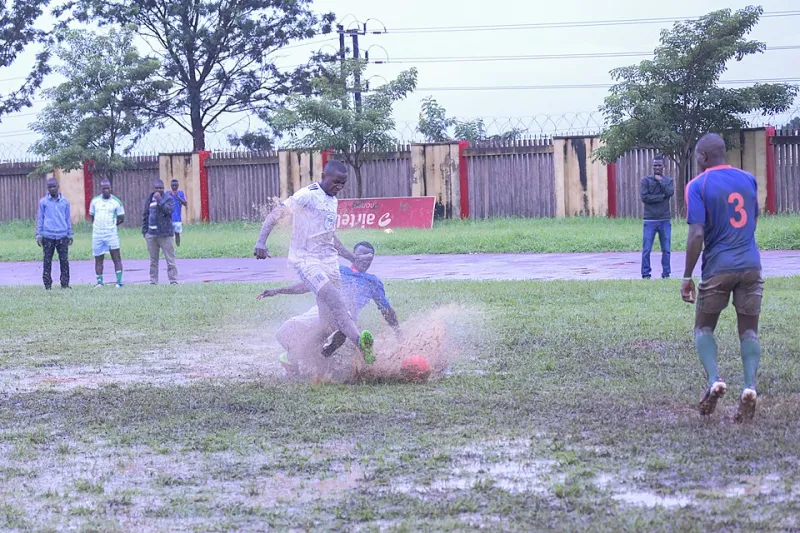
Photo: Joekyabby1, CC BY-SA 4.0, via Wikimedia Commons
Winter football has a way of making the live totals board look confident when it should be confused. A match that was priced for a 2.5-goal stroll at lunchtime can be sitting in a cold downpour by the time you open your app, and the number has barely moved. That gap — between what the weather is doing and what the book is still charging — is where live totals bettors can find an edge. It is also where sloppy staking gets people in trouble. So treat this as a weather playbook, not a weather guarantee.
Why the Live Board Lags the Weather
Totals markets are built on expected goals, tempo, and team intent. Weather touches all three, but it does so gradually. Books adjust for the obvious stuff — a snowstorm in a televised match, a gale at a coastal ground — yet the quiet reprice is often slow. The trader watching fifteen screens may see the rain on the feed, but the model feeding the live number is still leaning on pre-match inputs. That is especially true in the US winter betting window, when European fixtures kick off in the morning Eastern time and South American games land in the evening. The same rain that makes a Bundesliga pitch heavy at 9:30 a.m. ET can be missing from a live total that was set overnight.
This is not a conspiracy. It is plumbing. Live odds are a race between automated models and human traders, and weather is a fuzzy input. Wind is fuzzier than rain. Pitch drainage is fuzzier than both. That is why a bettor with a radar app and a few reliable pitch reports can occasionally see the game before the board does.
The Three Weather Types That Matter
Not all bad weather is created equal for totals. Rain alone does not automatically mean fewer goals. A light shower on a good surface can actually speed the ball up. The problems start when water sits. Heavy rain on a poor-draining pitch turns passes into puddles and shots into slips. That is when unders get soft. Look for grounds with a reputation for holding water, and check whether the home side trains on a similar surface. A team that plays fast, vertical football on a bog is not the same team.
Wind is the sneaky one. A 25-mph crosswind can wreck crossing accuracy and turn corners into goal kicks. It can also create chaos — misjudged clearances, short back-passes, and set pieces that swing late. Books often price wind as a simple under signal, but the truth is messier. A gale can suppress clean build-up and still produce a sloppy goal or two. That is why wind games are better for live betting than pre-match totals. Wait to see how both teams cope with it.
Snow and freezing temperatures bring the heaviest uncertainty. An inch of snow can slow a match to a crawl; three inches can make the ball random. The real edge is not in betting the under before kickoff — it is in watching the first twenty minutes to see whether the referee lets the game flow and whether the surface is cutting up. If the ball is holding, the under is live. If players are skating, stay away. Sloppy conditions are not a license to bet bigger.
Reading the Forecast Like a Handicapper
You do not need a meteorology degree. You need three tabs: a hourly forecast for the stadium postcode, a wind map, and a pitch report if your book or a local outlet provides one. Check them an hour before kickoff and again at halftime. The most useful question is not 'is it raining?' but 'is the surface getting worse or better?' A pitch that is drying in the second half changes the tempo. A pitch that is turning into soup does not.
For South American fixtures in the US evening window, be careful with venue data. Rain in Buenos Aires or Montevideo in December is common, but drainage quality varies wildly by ground. Do not assume a big club means a big-pitch surface. If anything, the smaller, older stadiums are where weather distortions are most mispriced.
Soft Unders Before the Whistle
The cleanest weather angle is the pre-match under in a game that is about to get wet. The trick is timing. If you bet too early, you are just guessing. If you wait until the rain is visible on the broadcast, the live number may have already moved. The sweet spot is often fifteen to twenty minutes before kickoff, when the forecast is locked in but the live total has not fully adjusted. Look for matches where both teams have something to lose — a low-block under is more reliable in bad weather than an open-game under. Also check the referee. A card-happy official in a slippery match can turn a tight game into a stop-start mess, which usually helps the under.
Do not chase this in every rainy fixture. A wet pitch in a game between two direct, physical sides can still produce three goals. The angle is strongest when the weather meets a tactical setup that already leans cautious.
Late Overs When the Surface Dries
The other side of the weather trade is the second-half over. If the rain stops, the wind drops, and the pitch drains, the game can open up late. Books that priced the whole match for a swamp may be slow to lift the live total. This is where you look for a team chasing the game, a couple of attacking substitutions, and a total that still reflects the first-half conditions. The 70th-minute over is not a magic button — it is a read on tempo. If the passes are starting to zip and the players are not sliding, the number can be soft.
Bankroll Rules for Sloppy Conditions
Weather betting has a way of making people feel clever. Resist that. Bad conditions increase variance, not certainty. Cut your standard unit by half in rain or snow, and skip the bet entirely if the pitch report is unclear. Never chase a live total just because the radar looks dramatic. The book may be slow, but it is not asleep. And always keep the responsible-play basics: set a session limit, do not reload after a loss, and treat weather edges as small, occasional opportunities rather than a system. VN88 Betting Edge is here for sharper reads, not bigger swings.
Bottom Line
Winter weather does not make totals easy. It makes them slower to price. If you check the forecast, read the pitch, and wait for the board to catch up, you can find soft unders before the whistle and late overs after the surface dries. Just remember that a muddy field is still a football match — and no forecast is a promise.