Turkey Day Squad Churn: Live Soccer Bets When Managers Hide Their Cards
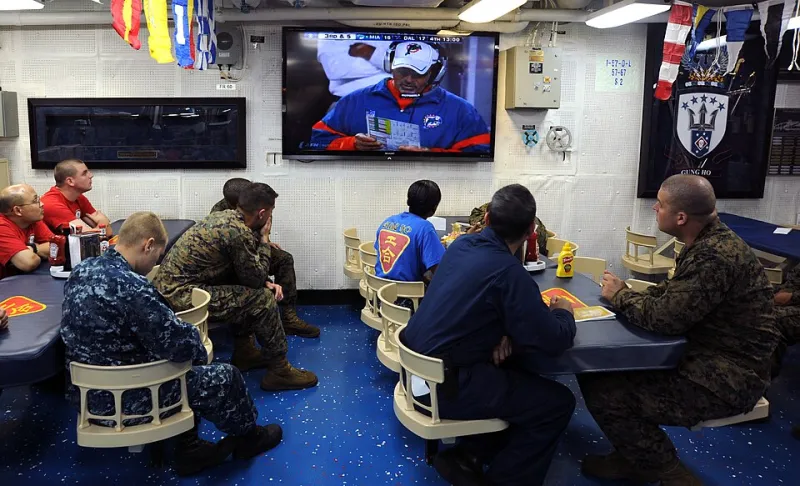
Photo: Official Navy Page from United States of America Mass Communication Specialist 1st Class Sarah Murphy/U.S. Navy, Public domain, via Wikimedia Commons
Thanksgiving week is supposed to be simple: turkey, football, and a recliner. For soccer bettors in the US, it is rarely that clean. The 2026 European calendar serves up midweek fixtures while NFL broadcasts own the living room, and managers across England, Italy, Spain, and Germany are already doing math on weekend league games. That means lineups get shuffled, early tempo gets weird, and live odds can spend the first 20 minutes pricing the badge instead of the legs.
This is the rotation trap. It is not about backing reserves blindly or fading favorites for sport. It is about recognizing when a Thanksgiving-week match is being treated as a chore by one or both benches, then finding the live markets that are slowest to catch up.
Why Thanksgiving Week Is a Rotation Minefield
The fixture congestion is real, but the American viewing schedule makes it worse. A European midweek game can land in the morning or early afternoon US time, right before the NFL slate or during the pre-game shows. Casual bettors see a recognizable club, check the price, and assume the normal version of that team is showing up. Managers, meanwhile, are thinking about a Saturday league match that matters more to their season.
In 2026, the compressed calendar around the 2026 World Cup has already taught teams to manage minutes more aggressively. Thanksgiving week is another pressure point. A manager with a thin squad may start two or three regulars, hand minutes to academy players, and treat the first half as a controlled experiment. The pre-match odds often reflect reputation more than reality because the market has not fully digested the lineup or the manager's comments.
Your first job is not to predict the starting XI. It is to decide whether this fixture smells like a full-effort game or a rotation exercise. Check the manager's pre-match press conference, the club's travel schedule, and any credible lineup leaks about an hour before kickoff. If the team news is late or vague, treat that as a warning, not an invitation to guess.
Read the Lineup Leak, Not the Hype
US bettors have a bad habit of reading the headline and skipping the details. A rotated lineup does not automatically mean goals, and it does not automatically mean the favorite struggles. It depends on which positions are changed. A second-choice center-back pairing can create chaos. A swapped fullback can kill width. A backup striker can change the entire press.
The live market reacts fastest to goals and red cards. It reacts slower to structural changes that do not show up in the scoreline. That is where the edge lives. If a team starts a makeshift back line and a defensive midfielder at right back, the first-half corner and card lines may still be priced as if the first-choice unit is out there. If a manager benches his main creator, the next-goal market can stay sticky for several minutes after the whistle.
Do not overcomplicate it. Before kickoff, write down two things: which team has the bigger weekend fixture, and which team has the shorter bench. Those two factors usually tell you where the intensity will drop first.
The Live Markets That Move Last
The obvious live markets are not always the useful ones. Everyone watches the match odds and the total. The slower corners are often in the details.
First-half tempo markets. The over 0.5 first-half goals line can get jumpy after a quiet opening 10 minutes. But a rotated side often starts cautiously, keeps shape, and only opens up after halftime adjustments. If the pre-match price was built on the usual front-foot version of that team, the live under can briefly hold value before the market corrects.
Second-half Asian handicaps. Halftime is when managers fix rotation mistakes. A team that slept through the first half may bring on two starters and change the game. The live handicap often lags behind those substitutions because the market is still reacting to the first-half scoreline. Watch the bench, not just the stats.
Card markets. Thanksgiving week games can get scrappy when backup players are trying to prove something. But the reverse is also true: a rotated team with nothing to protect may play cleaner than expected. The card line usually adjusts after the first yellow, not before. If you see a mismatch in midfield intensity, the pre-yellow window can be more informative than the post-yellow panic.
Team totals. This is the quietest market of the bunch. A rotated attack may generate plenty of possession but few clear chances. The team total can stay inflated because the market remembers the club's recent scoring run, not the fact that the main striker is on the bench in a tracksuit.
Building a Holiday-Week Betting Card
The practical approach is to shrink your card, not expand it. Thanksgiving week offers more screens, more games, and more temptation. That is a recipe for sloppy staking. Pick two or three fixtures where you have a clear rotation read, and leave the rest alone.
Size stakes as if you are watching with family and distractions. If you cannot monitor a live bet for 15 minutes because someone is carving the turkey, do not take a bet that requires live management. Pre-match positions should be small enough that a rotated lineup does not wreck the weekend. Live positions should be smaller still, because the odds move quickly and the information is imperfect.
Use the NFL slate as a boundary, not an excuse. When the football games start, your soccer attention drops. Either close your soccer positions before kickoff or accept that you are holding a bet you cannot actively manage. There is no shame in passing on a match because the timing is bad.
Multi-Screen Discipline and Chase Control
The classic Thanksgiving-week mistake is chasing a live soccer loss with an NFL in-game bet, then chasing that with another soccer market because the first one felt unlucky. That is not betting. That is paying a fee to your own impatience.
Set a hard stop before the day begins. If you lose two live bets in a row, close the app. If a rotated lineup surprises you, do not double down on the same match to prove the read was right. The market does not care about your pride, and the holiday does not care about your bankroll.
Responsible play is not a slogan on this site. It is the only way a multi-screen holiday session stays fun. Bet with money you can afford to lose, keep your units consistent, and remember that Thanksgiving week is supposed to be a break from the grind, not a second job.
The Bottom Line
Thanksgiving week 2026 is a rotation puzzle, not a lottery. Managers will save legs, lineups will leak late, and live odds will overreact to early goals while underreacting to structural changes. US bettors who do the boring work, check the team news, and pick their spots will find more value than the ones who bet every match on the screen. Keep the card small, watch the bench, and do not let the holiday chaos turn a sensible live bet into a chase.