Cash-Out Windows: Why the Buyout Button Is a Price, Not a Rescue
Photo: Gates of Ale, CC BY-SA 3.0, via Wikimedia Commons
There is a moment in every live soccer bet when the screen gets loud. Maybe your favorite just went down to ten men in the 63rd minute. Maybe VAR is drawing chalk lines across the penalty box. Maybe the manager is warming up three substitutes and your over ticket suddenly feels like a lawn chair in a hurricane. Then a little number appears: cash out for $58.40. It looks like a life raft. It is not. It is a quote.
At VN88 Betting Edge, we look at live markets all day. The buyout button is one of the most misunderstood features in a US sportsbook app because it feels like customer service. In reality, it is a tiny live market built around your specific ticket. The book is not handing back what your bet is worth. It is offering a price that protects its own liability, and it is usually a little worse than the number you would get if you could shop the same situation on a live market.
The Buyout Is a Quote, Not a Refund
Start with the math. Say you put $100 on Over 2.5 goals at +110 before kickoff. Your ticket would return $210 if it lands. At 1-1 in the 70th minute, the live over 2.5 market might be hanging around +150. That implies roughly a 40% chance. Ignore the book's margin for a second: 40% of $210 is $84. If the cash-out offer is $62, you are being asked to sell an $84-ish position for $62. The convenience fee is real.
That does not make cash-out evil. It makes it a trade. You are paying for certainty, liquidity, and the ability to stop watching. The question is whether the certainty is worth the haircut. If the live market says your ticket has more equity than the buyout, holding is the better long-term play. If the buyout is close to or above the live-market value, taking it can be sensible, especially when your original reason for the bet is gone.
The mistake is treating the first offer as the truth. It is not. It is one book's snapshot, updated by an algorithm that knows exactly how much it stands to lose if your ticket cashes.
Red Cards Reprice Faster Than Your Brain
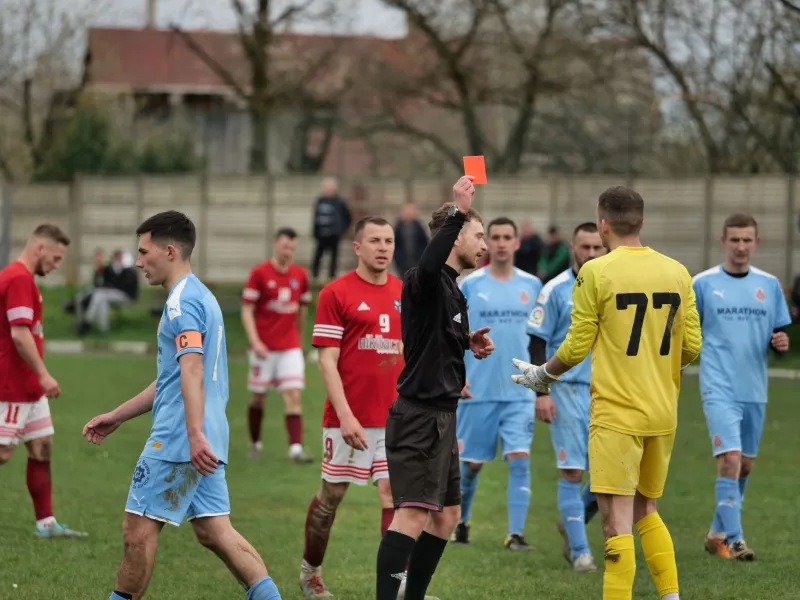
A red card is the classic panic trigger. Your team was controlling the game, then a defender lunges in midfield and the referee reaches for his pocket. The cash-out number falls off a cliff. Bettors slam the button because the picture suddenly looks ugly.
But a red card does not always kill the bet you placed. It changes the game state, and the live market has already done the same math. If you bet the over, ten men can actually open space. If you bet a favorite to win, the buyout may be brutal because the book knows the clean-sheet path just got harder. Before you accept, check the live handicap, total, and next-goal market. Those numbers tell you what the book thinks now. The buyout is just a packaged version of that opinion with a fee baked in.
One practical habit: give yourself 30 to 60 seconds after a red card before deciding. Not because the odds will improve forever, but because your pulse will slow down. If the buyout still looks fair against the live market, fine. If it looks like a lowball, you have your answer.
VAR Delays Are a Trap for Buyout Shoppers
VAR is the strangest cash-out environment in soccer. During the review, the app may suspend cash-out entirely. Then the decision lands, the crowd erupts or groans, and a new offer appears. That offer is not a fresh start. It is the book's reaction to a changed world.
If a goal is disallowed, your over ticket may suddenly be worth less. If a penalty is awarded, the opposite can happen. The danger is emotional whiplash: you stare at the review, convince yourself you know the outcome, and then hit the button the second it returns. That is not analysis. It is scrolling.
Use the pause. While the referee is at the monitor, open the live market and see how the total and handicap have moved. When cash-out comes back, compare the two. If the buyout is lagging behind a live line that still favors your ticket, hold. If the live line has already flipped and the buyout is generous by comparison, take the exit.
Late Subs and the 85th-Minute Haircut
The 85th minute is where cash-out offers get cute. A team needs a goal, the manager throws on two strikers, and the live over price shortens. Your buyout might tick up. It feels like a gift. But the book has widened its margin because the game is about to get chaotic, and chaos is expensive to price.
Late substitutions also change the shape of the game in ways your original bet did not account for. A defensive midfielder coming off can mean more transitions. A striker coming on can mean more crosses and set pieces. If your ticket was built on a slow, controlled match, the buyout may actually be the smarter side of the trade. If your ticket was built on late goals, the live market may still be paying better than the panic button.
The rule is simple: compare the buyout to the live market, not to your original stake. Your original stake is sunk. The only question is what the ticket is worth right now.
The Casino Table Is the Same Button in a Different Suit
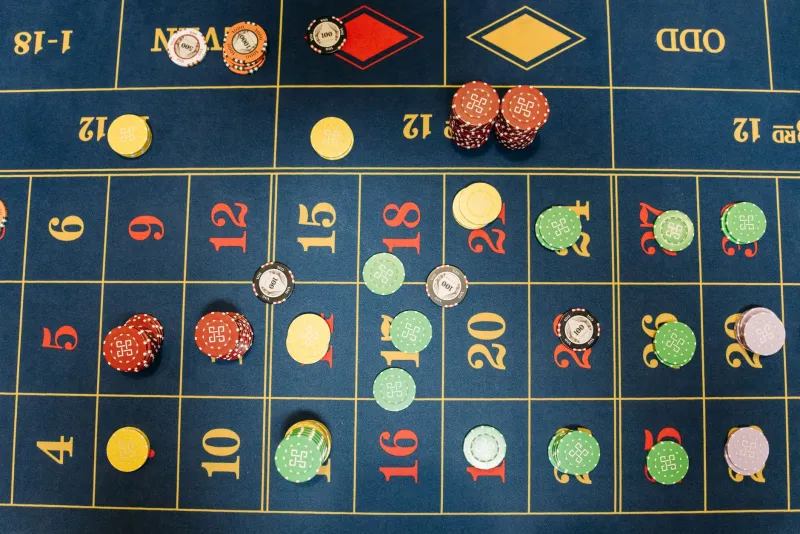
The psychology shows up at live casino tables too. You are up a little on a blackjack shoe, and suddenly you want to lock in the win. You take insurance you would never take sober. You reduce your bet on a good count because the last hand stung. That is the same instinct as hitting cash-out: you are trying to turn a fluctuating position into a guaranteed feeling.
The house prices those decisions with an edge, just like the sportsbook prices your buyout. Neither product is automatically bad. Both are bad when you use them as emotional anesthesia. If you would not make the same move after a deep breath and a look at the numbers, it is not a strategy. It is a reflex.
Set the Rule Before Kickoff
Cash-out works best when you decide your policy before the whistle. Pick a threshold in advance: for example, you will only consider a buyout when it is within 10% of the live-market value, or when the original reason for the bet has clearly disappeared. Write it down. Then the 63rd-minute red card cannot negotiate with you.
Also set a limit on how many buyout decisions you will make per slate. Cash-out is a tool, not a hobby. If you find yourself checking the number every five minutes, you are not managing a bet. You are feeding a slot machine.
And keep the responsible-play basics close. Bet only what you can afford to lose. Take breaks. If chasing the buyout button is making you anxious, step away. In the US, 1-800-GAMBLER is there if gambling stops being fun.
The Bottom Line
Cash-out is not a rescue rope. It is a live price for your ticket, and the book is happy to sell it to you. Sometimes that price is fair. Sometimes it is a haircut. The bettor who wins long term is the one who checks the live market, remembers the pre-kickoff rule, and refuses to let a flashing button make the decision.