Late Subs, Stale Numbers: Surviving the 85th-Minute Odds Lag
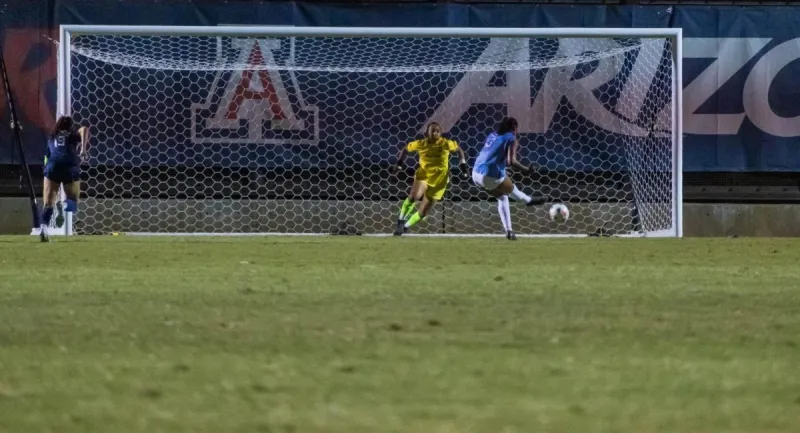
Photo: soccer manager making late substitution fourth official night stadium, via wildcat.arizona.edu
It's 84:30 on a Saturday night, and your sportsbook app is doing that familiar flicker. The favorite is down a goal, the manager is waving three attackers toward the fourth official, and the live total is climbing like someone just remembered there's a game on. The only problem: the odds board is still pricing the team that was on the field five minutes ago, not the one that's about to be.
Late substitutions are one of the messiest edges in live soccer. They're also one of the most overbet. At VN88 Betting Edge, we're not here to tell you every bench move is a secret signal. We're here to help you separate a genuine tactical shift from a board that's simply lagging — and to remind you that a wild final 15 minutes is not an invitation to double your stake.
Why the Board Lags the Bench
Live soccer odds are not a single brain. They're a chain of feeds, traders, risk models, and market makers, and the chain gets longer in the final quarter-hour. When a coach makes a triple substitution, the data feed updates fast. The price often doesn't. Traders may wait for the next stoppage, the next attack, or the next round of bets before they reprice. US-facing books, especially on niche leagues and late-night windows, can be even slower to move.
That lag is not automatically free money. Sometimes the market is slow because the situation is genuinely uncertain. A trailing favorite throwing on three forwards looks scary, but if those forwards are cold, or the team has no one left to create, the price move can overshoot. The key is figuring out whether the board is behind the tactics or ahead of reality.
Totals: The Over That Isn't Dead — and the Under That Is
When the favorite is losing and the bench is full of attackers, live over prices usually spike. That makes sense. More forwards, more urgency, more chances. But the spike itself can be the trap. If the leading team responds with a defensive substitution and drops its line, the game can turn into a 15-minute siege with very few clean looks. The over price may already reflect the panic, not the probability.
On the flip side, consider the under when a leading team makes a late defensive change and the trailing side brings on a single target forward with no service. The board sometimes assumes chaos. The game sometimes delivers a lot of sideways passing and a couple of half-chances. The smarter play is usually to wait for the first two minutes after the subs settle, watch where the ball is actually being played, and then decide if the live total still has value.
Asian Handicaps and the Equalizer Tax
Late in a match, live Asian handicaps get a tax. The trailing favorite's handicap price shortens because everyone expects a push. The leading team's plus handicap drifts because nobody wants to back a team that's about to park the bus. That's the equalizer tax, and it's real.
But fresh legs don't automatically equal a goal. Check who's coming on. Is it a winger who can beat a tired fullback, or a striker who needs service from a midfield that's already been replaced? Is the leading team bringing on a center back or a holding midfielder? Those details matter more than the scoreline. If the trailing favorite has already used its creative subs, the late attacking changes can be cosmetic. If the leading team has no fresh legs in midfield, the pressure may be genuine.
A simple rule for US bettors: don't chase the equalizer on the first wave of substitutions. Let the market settle for a minute or two. If the price still looks short after the initial overreaction, you've at least avoided buying the top of the panic.
Cards: Fresh Legs, Old Tempers
Card markets get weird in the final 15 minutes. Fresh legs can mean more tactical fouls, especially from a trailing team trying to stop counterattacks. But late substitutes are also often careful — nobody wants a yellow in their first five minutes. The referee matters too. A card-happy official in a rivalry match is a different bet than a lenient ref in a dead-rubber league game.
The overreaction usually happens after the first late yellow. The live card market jumps, and bettors pile on the next one. But if the game is already physical and the referee has been consistent, the price may still be fair. If the first card came from a clumsy challenge and the benches are now full of defensive subs, the market can overprice the next card. Wait for the next spell of pressure before deciding.
A 15-Minute Checklist for US Bettors
Before you tap anything in the late window, run this quick scan:
- Count the intent. Are the subs attacking or defensive? A triple attacking change for a trailing favorite is not the same as a single defensive swap for a leader.
- Check who's coming off. If the leading team removes its best defender or holding midfielder, the live handicap may still be too cheap. If the trailing team removes its main creator, the over may be too expensive.
- Look at the bench. Fresh legs are only useful if they fit the game state. Runners without service are just exercise.
- Watch the first 90 seconds. After the subs, see where the ball lives. If the trailing team immediately wins a corner and pins the leader back, the market may still be behind. If the game goes quiet, the panic price may be the trap.
- Ignore the parlay add-on. Late-window live legs are volatile. Stacking them into a parlay multiplies the noise, not the edge.
When Waiting Is the Sharper Play
Not every late substitution deserves a bet. Sometimes the smartest move is to close the app, watch the next two minutes, and let the board catch up to the bench. If the price moves 40 cents in 90 seconds after a triple sub, the market is probably overreacting. If it doesn't move at all, the book may not have adjusted — but that's a case for caution, not a license to fire.
The final 15 minutes are the most emotional part of a soccer match. That's exactly why the odds can get emotional too. Your job is not to beat the emotion. It's to notice it, wait for the number to settle, and only act when the price still makes sense after the dust clears.
Responsible-play reminder: Late-window volatility is not a reason to increase your stake size. Keep your unit sizes fixed, set a loss limit before kickoff, and if you feel the urge to chase a live price, that's usually the moment to stop. The bench can change the game. It shouldn't change your bankroll rules.