Stoppage-Time Scramble: Betting the Minute After the Board Goes Up
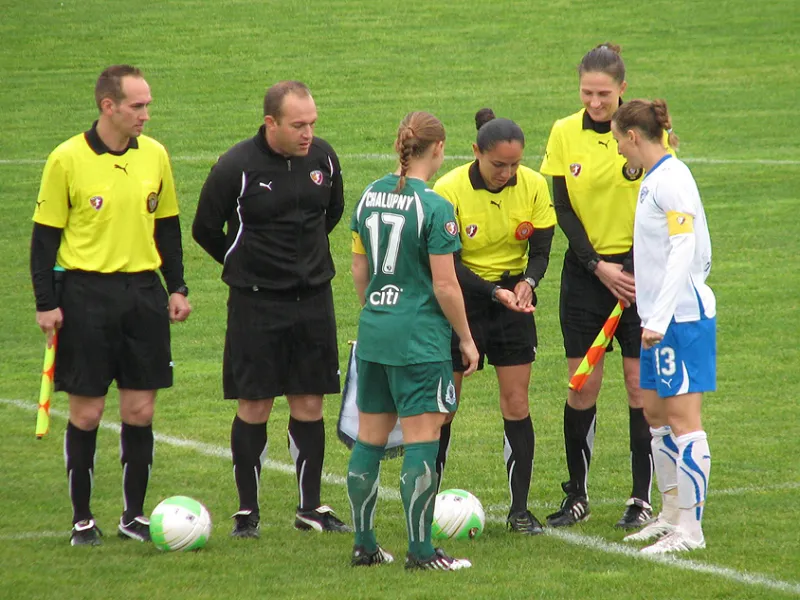
Photo: Johnmaxmena2, Public domain, via Wikimedia Commons
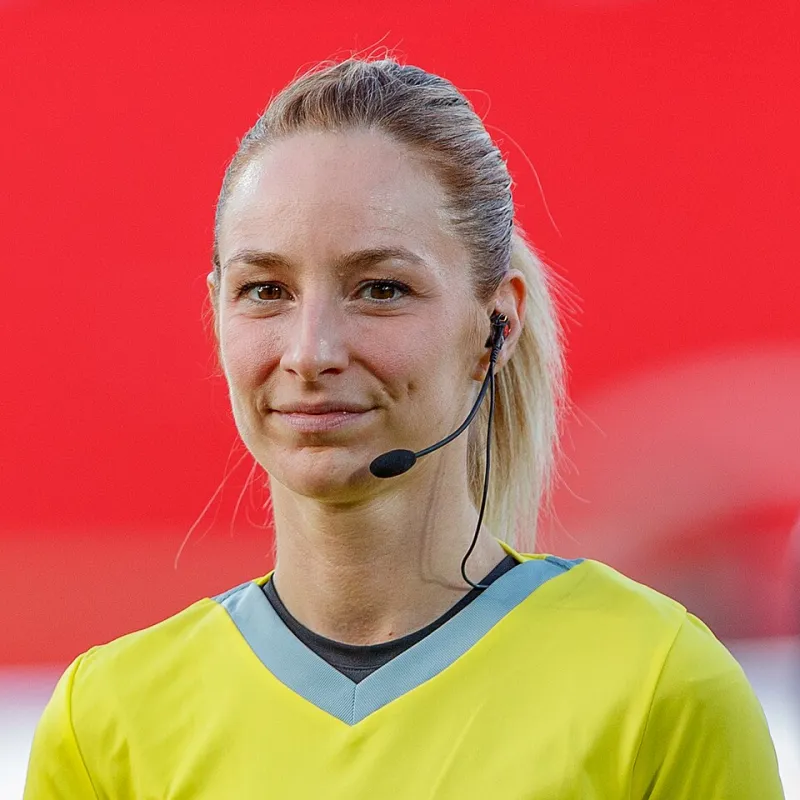
The 90th minute hits. Your sportsbook app is open, the match is level, and the fourth official walks to the touchline holding that glowing rectangle. The board goes up: four minutes. Within seconds, live totals, next-corner lines, and card markets start twitching. That is the moment this article is about — not the goal that may or may not come, but the 30 to 60 seconds after the announcement, when prices are still catching up to the new clock.
At VN88 Betting Edge we treat the board as a data point, not a dinner bell. The board tells you how much football is left. It does not tell you who is going to score, which team is about to panic, or whether the referee is in the mood to book anyone. The bettor who confuses those things is the one paying for the bettor who does not.
What the Board Changes in 60 Seconds
Live soccer markets are not static. When the fourth official signals added time, the total-goals line has to account for the extra minutes. A match with three minutes added is a different mathematical proposition than one with seven. Books know this, but the adjustment is not always instant, and the shape of the move depends on the match state.
If a team is chasing a goal, the live over and next-goal markets can shorten quickly. If both sides look content with a point, the added time may not produce the same urgency. Corners are similar. A trailing side that has been pumping crosses into the box will often see its next-corner price drop the moment the board goes up. Cards are the slowest of the three to reprice, in part because late-game card markets depend on referee behavior, game state, and how much time-wasting is about to happen.
The mistake is assuming the board creates value by itself. It does not. The board creates a new clock, and the market has to reprice around it. Your job is to decide whether that repricing has gone too far in either direction.
Information Versus Itch
There is a real difference between a stoppage-time opinion and a stoppage-time itch. The itch says: the board is up, the crowd is loud, someone is about to score, and I want a piece of it. The information says: this team has been camped in the final third for 15 minutes, the opposing manager just brought on a second striker, and the live total is still priced as if the game is dead.
US bettors know the itch well. Saturday morning Premier League windows overlap with college football, Sunday afternoons belong to the NFL, and by the time the late kickoffs roll around, the remote is doing three jobs. It is easy to treat a late board as a mini-event and fire a bet just to stay involved. That is not a strategy. That is paying for entertainment and calling it analysis.
A better approach is to decide before the 85th minute what you are looking for. Are you hunting a late corner because one team is clearly chasing? Are you avoiding the over because both benches have emptied and the game has lost its shape? Are you staying out entirely because the price already moved? Having an answer before the board goes up keeps you from letting the crowd and the clock make the decision for you.
Clock Accuracy and Feed Lag
Stoppage time is where clock accuracy matters most. The stadium clock is not the official clock. The referee keeps time, and the board only announces the minimum. A board that says four minutes can easily become five and a half. The team that equalizes in the 94th minute is not doing anything unusual. That is why betting on the exact minute is a different skill from betting on the match state.
Feed lag is the other trap. Your streaming service may be 20 to 45 seconds behind the stadium feed. Your sportsbook app may refresh slower than the broadcast. If the board went up on television but your app has not caught up, you are not betting on the same game the market is pricing. In stoppage time, a 30-second delay is not a small detail. It is the difference between seeing the board and guessing at it.
Before you touch a late market, confirm the added time yourself or from a reliable live clock. Do not rely on a push notification that may have been queued while your phone was loading. And if your feed is behind, accept that you are at an information disadvantage. There will be another match tomorrow.
Where Late Corners and Cards Get Misjudged
Corners are the most emotional late market. A team pushing for a winner sends everyone forward, the crowd rises, and the next-corner price looks like a bargain. Sometimes it is. Often it is just the market reflecting the obvious. Look for the less obvious version: a team that has been winning corners steadily for 20 minutes, a fullback who keeps overlapping, or a goalkeeper who is being forced into rushed clearances.
Cards are messier. Late-game card markets attract bettors who expect chaos, but referees often manage the final minutes differently. They may swallow the whistle to avoid a controversial second yellow. They may book someone for time-wasting. They may let a hard tackle go because the game is nearly over. The board does not tell you which referee you have, and it does not tell you whether the match is heated or merely tired.
That is why late card bets should be about the referee and the game state, not just the clock. If the game has been chippy since the first half, the board may be the cue for another card. If it has been a polite, low-foul affair, the board may be the cue for nothing at all.
A Practical 60-Second Routine
When the board goes up, do not mash the bet button. Run a short checklist instead.
- Confirm the added minutes and your feed delay. If you are not sure, pass.
- Check the score and who needs a goal. A team chasing a draw will play differently than a team protecting one.
- Look at the bench and the shape. Late substitutions can turn a quiet game into a track meet or kill it entirely.
- Compare the live total, next-corner price, and card line to what you expected before the board went up.
- Use a smaller stake than your normal pre-match unit. Stoppage time is high-variance, and the market is fast.
- Set a late-game budget before kickoff. Once it is gone, it is gone.
VN88 Betting Edge is built around quick tips and live markets, but quick does not mean careless. The best late-game bettors are usually the ones who know when to sit still. The board is information. The bet is still your decision.
The Responsible-Play Reminder
Late-game betting is designed to feel urgent, and urgency is expensive. If you notice yourself chasing a late goal because you are down on the day, stop. If a stoppage-time bet has become a habit rather than a plan, use your sportsbook's deposit limits, time limits, or self-exclusion tools. Responsible play is not a slogan at the bottom of the page. It is the reason you still have a bankroll next weekend.
The board goes up whether you bet or not. You do not have to. That is the simplest edge in the stadium.